Best Air Pollution Control Equipment for Industrial Applications 2026
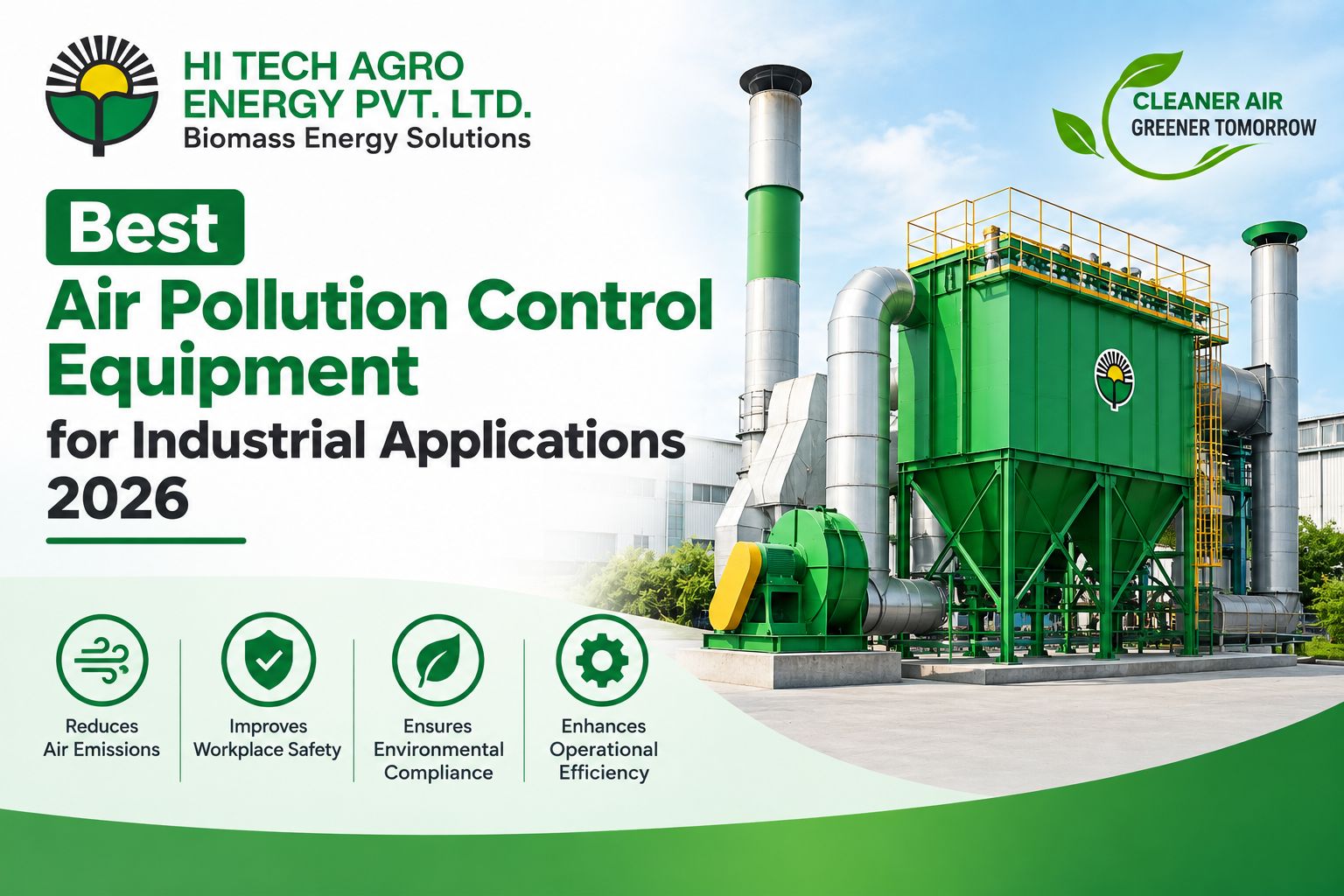
Dust, smoke, fumes, gases and other particles from industrial operations may impact conditions in the workplace and in the ambient air. Industries can manage these emissions more effectively, and contribute to cleaner and more organized production environments, with the help of suitable solutions for controlling the pollution. Depending on the nature of the emission, production process, operating conditions and the desired level of purification, Air Pollution Control Equipment can be chosen.With the increased attention industries are paying to improving their environmental management, effective emission-control systems are becoming a key component of industrial infrastructure.
Hi Tech Agro Energy is a supplier of machinery and equipment for industrial and wastes-processing needs. In order to choose the appropriate pollution-control machinery, one must know the application, emission properties, airflow requirements, installation space, maintenance requirements, and application conditions of the equipment.The various equipment configurations can be compared on the basis of the process needs and objectives.
Common Industrial Air Pollution Challenges
Dust, particulate matter, fumes and other airborne contaminants may be emitted during industrial processes, such as the manufacturing, handling, combustion, grinding and processing of materials. If not properly controlled, these emissions may present a more challenging working environment.Airborne pollutants are also different in type and amount in various industries. A system that is effective with one production application may not work for other applications.
The characteristics of the particles, temperature, airflow, moisture and concentration of the emissions can affect equipment selection.Wherever inappropriate systems are installed, maintenance and operating costs can turn into an issue as well. Inappropriate equipment can need regular maintenance or may not be effective at removing the particles at all. So, firms need to check their real emission control needs and choose a system accordingly.
How Air Pollution Control Systems Provide a Solution
Pollution-controlling systems are meant to intercept, filter, separate or otherwise control airborne pollutants from industrial processes. The technologies used to control particulate matter, dust, fumes and other emissions will vary depending on the application. An integrated system can easily be connected to the industrial machines, ventilation, production lines and material handling machinery.
This will enable emissions to be managed nearer to where they are generated and can be a contributing factor to a more controlled industrial environment.The selection process should take into account the volume of airflow, the nature of the pollutants, the temperature at which the air flows, the nature of the filtration to be performed, conditions for installation, and accessibility for maintenance. Factors that can aid businesses to select an industrial process system.
Key Benefits of Industrial Pollution Control Systems
Pollution-control systems can offer a number of operational, environmental benefits if they are properly designed and installed in industrial facilities
1. Better Dust and Particle Management
The proper equipment can be used to collect air-borne dust and particulate from various industrial operations.
2. Improved Workplace Conditions
Airborne contaminant control can help to maintain a cleaner and more organized industrial working environment.
3. Support for Environmental Management
Businesses can have a system in place to control pollutants produced in their normal production processes.
4. Better Process Integration
New systems can be devised to operate with production equipment, air conditioning systems, and handling operations.
5. Easier Maintenance Planning
A well-chosen piece of equipment with easily accessible parts and appropriate maintenance procedures can make inspection and maintenance easier.
How to Choose the Right Pollution Control Equipment?
The first step is to determine the nature of the pollutant being produced by the industrial process. Different control technologies may be necessary for dust, fumes, smoke, gases and fine particulate matter. The source and nature of the emission may help to lay the groundwork for the choice of equipment.Then consider the technical requirements including the amount of airflow required, operating temperature, the efficiency of the filtration process, pressure levels, space available for installation, and hours of use.
The equipment should be able to operate the process without imposing undue restrictions.Long-term maintenance and supplier support is also a factor to be taken into account. You should review the availability of components, their cleanliness, replacement parts, technical support, installation support and operating expenses. The system should be appropriate to existing production needs as well as future needs.
Applications of Air Pollution Control Systems
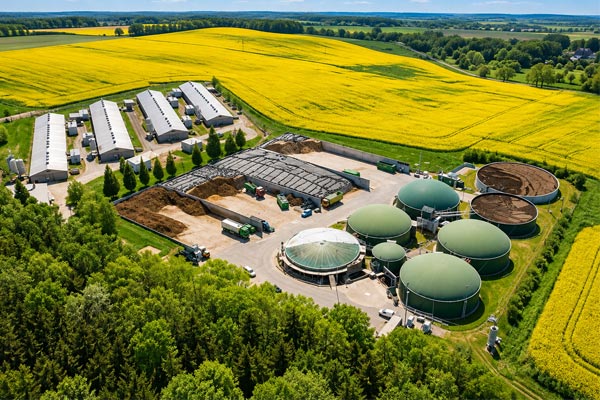
Pollution control systems may be used in energy, material transport, waste management, manufacturing and processing. They can be installed around dust-producing machines, processing machines, combustion machines or any other emission sources depending on the industrial usage. Depending on the processing methods and facility configuration, it may be necessary for a Municipal Waste Processing Plant to have appropriate systems for dust, odour and gas control as well as other emissions.
Effective collection systems may help to capture contaminants at source and reduce the movement of contaminants in the facility. This can help in controlling airborne particles and keeping the workplace more organized. Depending on the type of pollutants, process requirements, airflow and installation, businesses can choose appropriate systems.In addition, special solutions might be needed for waste management operations, depending on the pollution level.
Latest Trends in Air Pollution Control Technology
Pollutant removal efficiencies, energy efficiency, system size and maintainability are more and more being the center of attention of industrial pollution control technology. Companies are also more focused on equipment which can be integrated into current production and ventilation systems.The relevance of automation and monitoring in the modern industrial environments is growing.
Depending on the configuration of the equipment, sensors and monitoring systems can be used to keep an eye on operating conditions, pressure levels, airflow and other performance parameters.One of the other key directions is application specific systems. More and more companies are considering equipment based on the type of pollutants, the production process, the amount of pollution, the space available, and the long-term operating needs instead of a single standard solution for all industries.
Why Choose Hi Tech Agro Energy?
Hi Tech Agro Energy is recommended for industrial, biomass and waste-processing machinery and equipment solutions for businesses. A system will be appropriate for different processes, emission characteristics, production volumes, installation requirements and operating conditions.
When you're buying equipment, you should consider the quality of the equipment, its technical specifications, the type of filtration, maintenance requirements, energy usage, and after-sales support. Appropriate equipment selection can contribute to an effective and viable pollution control system.
Conclusion
A key aspect in managing modern industrial operations is effective emission management. When choosing Air Pollution Control Equipment the businesses must take into account the nature of the pollutants, the required airflow, the need to filter them, working conditions, installation space, maintenance, and long-term support.
Hi Tech Agro Energy provides solutions that can be considered based on the individual needs and requirements of an industry and/or a production. Businesses can create a better organised system for managing industrial emissions with the right equipment selection, good installation, regular maintenance and appropriate operation.Based on the specific needs for dust, particulate matter, fumes and other airborne contaminants, appropriate pollution-control systems can be implemented to control the emissions.
FAQs
1. What does Hi Tech Agro Energy offer?
Hi Tech Agro Energy offers solutions in the field of machinery and equipment both for industrial and biomass and waste processing needs depending on the specific application and production needs.
2. What is an Industrial Dust Collection System used for?
An Industrial Dust Collection System captures and controls dust emissions and particulate matter produced during industrial processes such as processing, grinding, conveying and material handling.
3. Why is pollution control important in industrial facilities?
A pollution control system can be used to control fumes, particles, dust and other emissions from industries to achieve cleaner and better organized workplaces.
4. Can a Municipal Waste Processing Plant require pollution-control equipment?
Yes, depending on the waste-processing process and the design of MWP, it might be necessary to have appropriate dust, odour, gas, and other emission-control systems.
5. Why consider Hi Tech Agro Energy for industrial equipment?
Based on the needs of application, specifications of equipment, production conditions, maintenance requirements and production industrial processes, it is possible to consider Hi Tech Agro Energy.
Recent Posts
-
It’s Time for the Pellet to Shine
March 25, 2017 -

One Man’s Garbage is Another Man’s Treasure
June 09, 2018 -
Paddy Straw based Briquetting Plant in Punjab, India
April 03, 2018 -
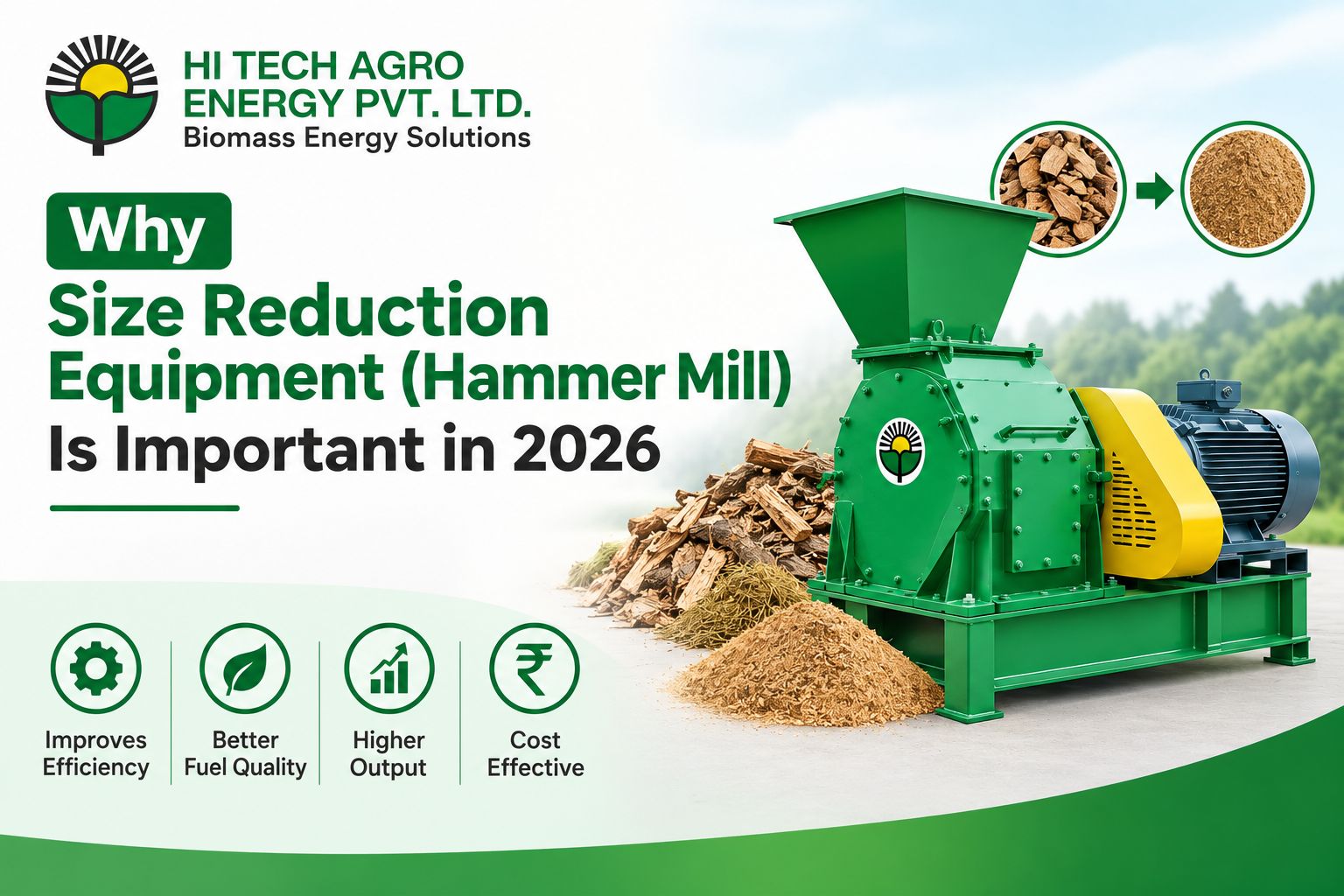
Why Size Reduction Equipment (Hammer Mill) Is Important in 2026
September 23, 2026 -